
Pet Wellness Services
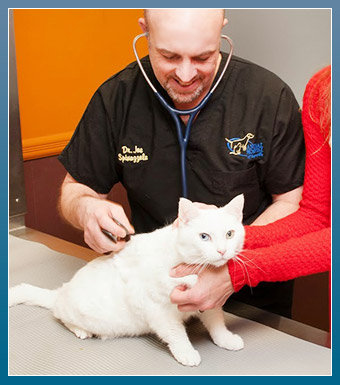 Keeping Your Pet Healthy
At the Animal Hospital of Sayreville in South Amboy, our veterinarians recommend annual wellness examinations for the same reason your personal physician or dentist recommends them: if a health problem or issue can be detected in its early stages, there is a far greater likelihood it can be resolved and treated with less difficulty, less expense and greater success.
Changes in your pet's appearance or temperament may be signs of medical problems. Seemingly insignificant lumps and bumps under the skin may be indications of infection or cancer. Ear infections, abscessed teeth and gum disease are common, painful conditions that may not become noticeable until they have seriously advanced. A comprehensive annual physical examination not only helps your veterinarian and you evaluate your pet's health and make informed decisions, it helps ensure your pet stays happy, healthy and feeling great.
Your Pet's Wellness Examination
When you bring your pet to the Animal Hospital of Sayreville, we work with you to create a lifetime preventive health care plan. Our goal is to provide the best veterinary care possible so you and your companion can enjoy a long, healthy and happy life together.
The foundation of your pet's health begins with a thorough annual examination, which includes:
- Examining your pet's teeth, throat and oral cavity
- Checking your pet's vision and eyes
- Examining ears for infection, ear mites, allergic reactions and other related health issues
- Assessing your pet's heart and cardiac function
- Examining the skin
- Palpating lymph nodes and abdomen
- Examining the respiratory system
- Evaluating internal organ function and other systems
- Monitoring your pet's blood count and serum chemistry
- Assessing changes in your pet's health since the last wellness visit
- Fecal check for the presence of intestinal parasites
During each examination, we take the time to listen to your concerns, answer your questions and keep you up to date on the information you need to be the best caregiver to your pet. Good communication between you and your pet's doctor ensures your companion is receiving the optimal care for a long and healthy life.
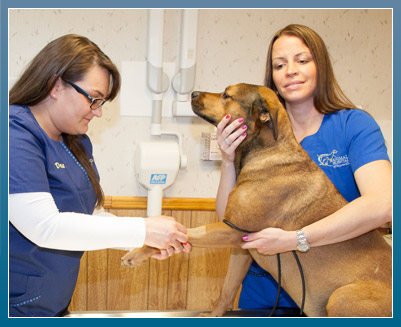 Balanced Immunization Programs
Immunizations are vital for keeping pets healthy and free from disease. However, not every pet requires the same series or frequency of vaccines. At the Animal Hospital of Sayreville, our veterinarians determine an immunization protocol based on your pet's lifestyle, risk factors, geographic location, and the most current recommendations from the American Veterinary Medical Association. Our goal to is to maintain optimal health and protection while not over-vaccinating your pet.
Puppy Vaccinations
Core: Canine Parvovirus, Canine Distemper, Canine Adenovirus-2, Rabies
Non-Core: Canine Parainfluenza Virus, Canine Corona Virus, Bordetella, Lyme, Leptospirosis
Adult Dog Vaccinations (>16 weeks of age)
Core: Canine Distemper, Canine Parvovirus, Canine Adenovirus-2, Rabies
Non-Core: Canine Parainfluenza Virus, Canine Corona Virus, Bordetella (either injection or intra-nasal), Lyme, Leptospirosis
Feline Vaccinations
Core: Feline Viral Rhinotracheitis, Feline Calicivirus, Feline Panleukopenia, Rabies
Non-Core: Feline Leukemia Virus
Flea and Tick Prevention
Beyond causing serious discomfort and infesting your home, fleas and ticks carry diseases dangerous to both you and your pet. If your pet is allergic to fleas, just one bite can result in a severely painful skin infection. Fleas can also transmit serious diseases such as bartonellosis (the bacteria that causes "cat scratch disease" in people), and other parasites like tapeworms. In our area, ticks can carry a variety of serious illnesses, including Lyme Disease, Ehrlichiosis and Anaplasmosis.
The best course of action to protect your pet and yourself from fleas, ticks and the potential of tick-borne disease is prevention. Fortunately, there are safe, effective flea and tick control products, as well as flea baths and dips available at the Animal Hospital of Sayreville, and our veterinary team will help you choose the best preventive regimen based on your pet's risk factors and health status. We can also recommend which external pest control products are ideal for your household, based on the everyday life of your pet.
 Heartworm Disease and Your Pet
Heartworm disease is a serious, life-threatening disease transmitted by mosquitoes. It affects dogs and, to a lesser extent, cats. In the U.S., Heartworm disease is most common along the Atlantic and Gulf coasts from the Gulf of Mexico to New Jersey and along the Mississippi River and its major tributaries, and it is a disease to which pet owners in our area should pay attention.
Clinical symptoms of Heartworm disease develop slowly. Early symptoms include lack of energy, exercise intolerance, coughing and difficulty breathing. Because Heartworm disease is increasing in frequency and is a serious and deadly disease, we recommend your dog be tested annually.
Heartworm disease prevention is simple and effective. We carry Heartworm preventives for dogs and cats, and our veterinary team can help you select one that is right for your pet. If you would like to have your pet tested for Heartworm disease, or if you would like additional information on how best to protect your pet from this dangerous parasite, please call the Animal Hospital of Sayreville today for an appointment.